Landing detail

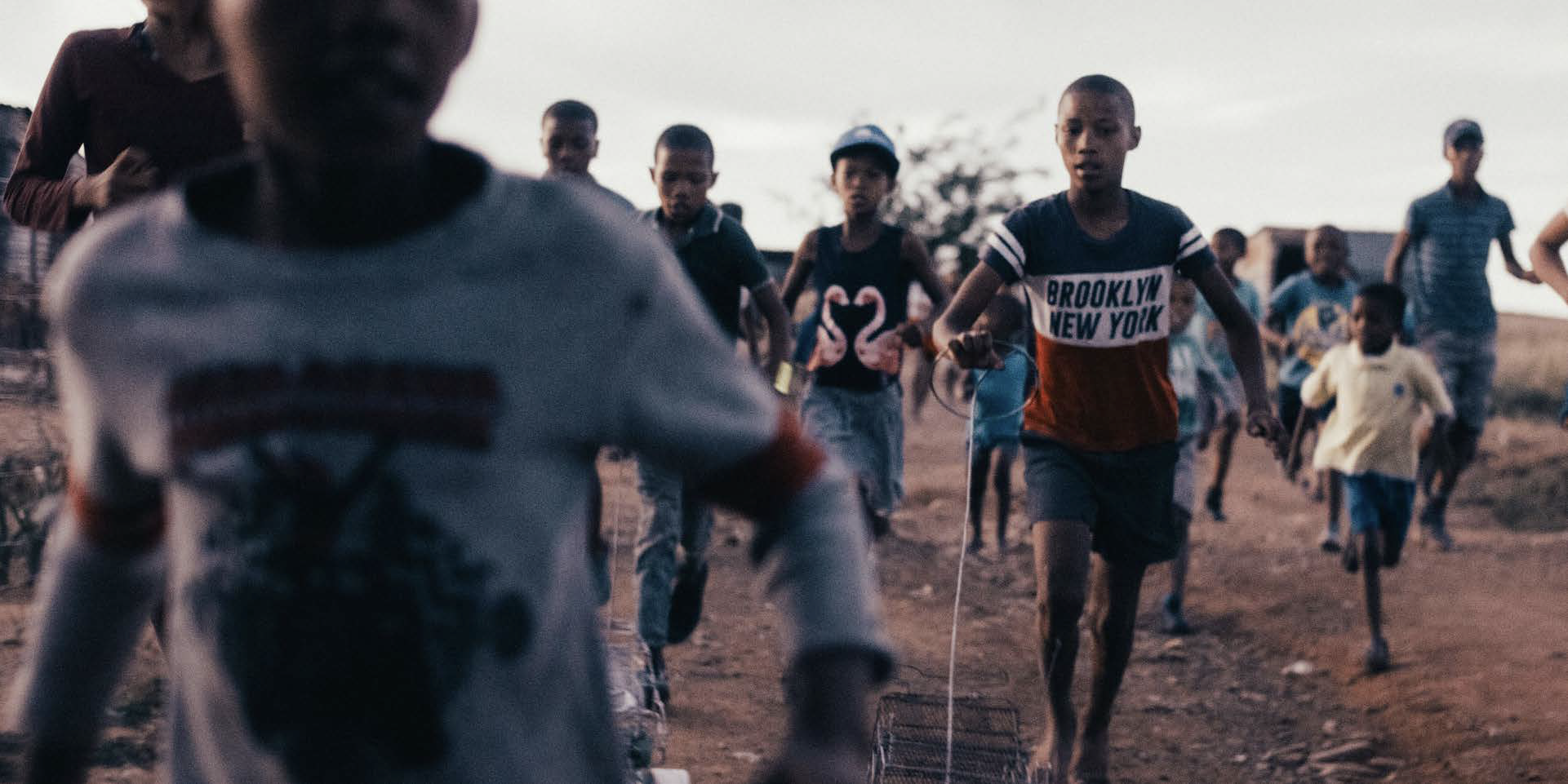
Philipstown, a small town in South Africa, faces the challenges of limited resources and economic opportunity. To help in changing this, we transformed a much-loved local annual event into a mobile game that anyone, anywhere, could experience, bringing together technology and creativity to share Philipstown’s authentic story and drive donations back to the community.

​

Year: 2025

Role: Design Lead - I guided the game development from concept to execution, leading a design team, aligning 3D, dev, and South African teams, ensuring community involvement, maintaining quality through critiques, and balancing creativity with constraints to deliver an authentic, engaging experience.

line

Introduction

​

Philipstown was a unique project: designing a completely novel mobile game rooted in a real community, with real people, and real impact. It wasn’t an adaptation of an existing format or a reskin of known mechanics — we had to invent the structure, language, and experience from the ground up, under tight constraints and with a strong sense of responsibility to the people it represented.

Moment 1: Concepting a game that didn’t exist yet

​

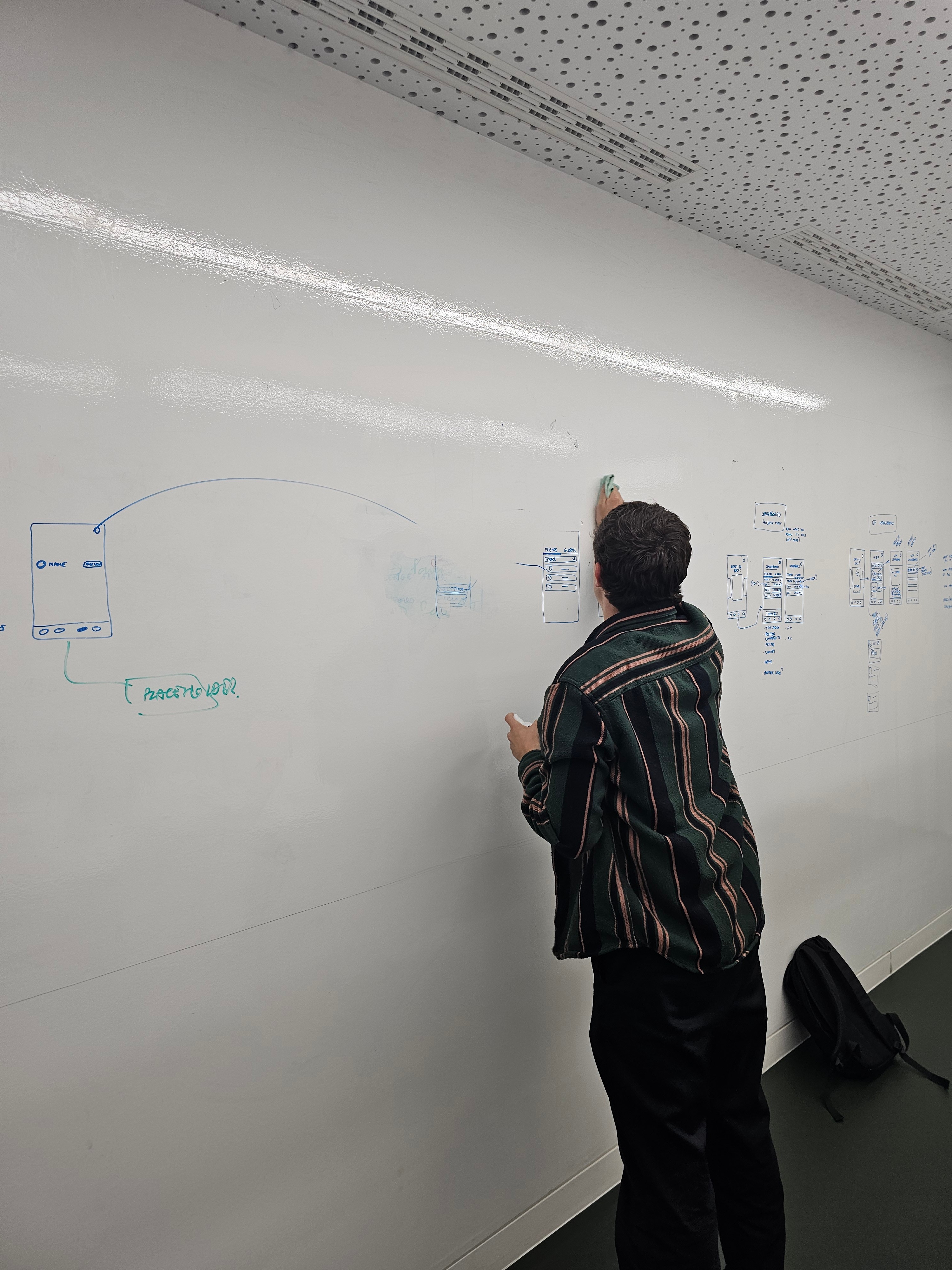
The early phase was intense, messy, and energising. Hours were spent banging heads, challenging assumptions, and pressure-testing ideas with SMEs across design, engineering, and delivery. We had to define the type of game before we could design anything at all. Key decisions included committing to portrait orientation to keep the experience hyper-casual and accessible, and structuring the game around three core modes: Quick Play, Campaign (Road to Race), and Grand Prix. This structure gave us flexibility, immediate engagement for casual players, progression for return players, and a clear sense of ambition and payoff.
Moment 2: Ground truth in Philipstown

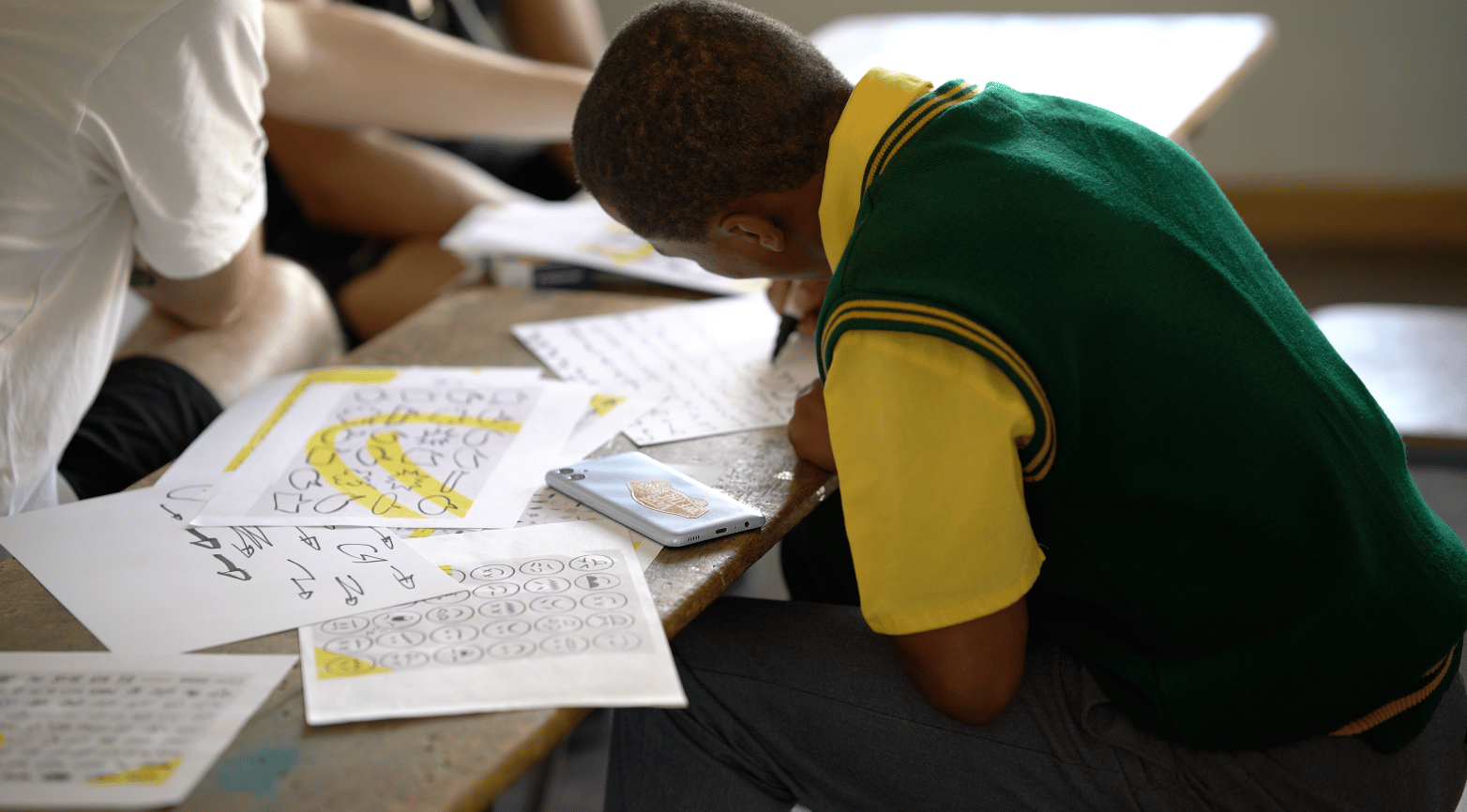
To avoid designing from a distance, part of the team travelled to Philipstown to do the work properly. We ran interviews with local children, spent time listening and observing, and used drawing sessions and workshops to co-create the visual language of the game. The brand identity, tone, and expression were shaped directly by the community.

​

Alongside this, we captured drone footage and photography, mapping the different tracks.

​

All of this was synthesised back into the product thinking, sharpening our point of view and raising the bar on authenticity.

Moment 3: From vision to system

With a clear creative vision, we moved into building a brand identity and design system that could do two things at once: honour the character of Philipstown and allow us to move fast. Resources were limited and timelines tight, so the system had to support rapid prototyping without collapsing under its own weight.

​

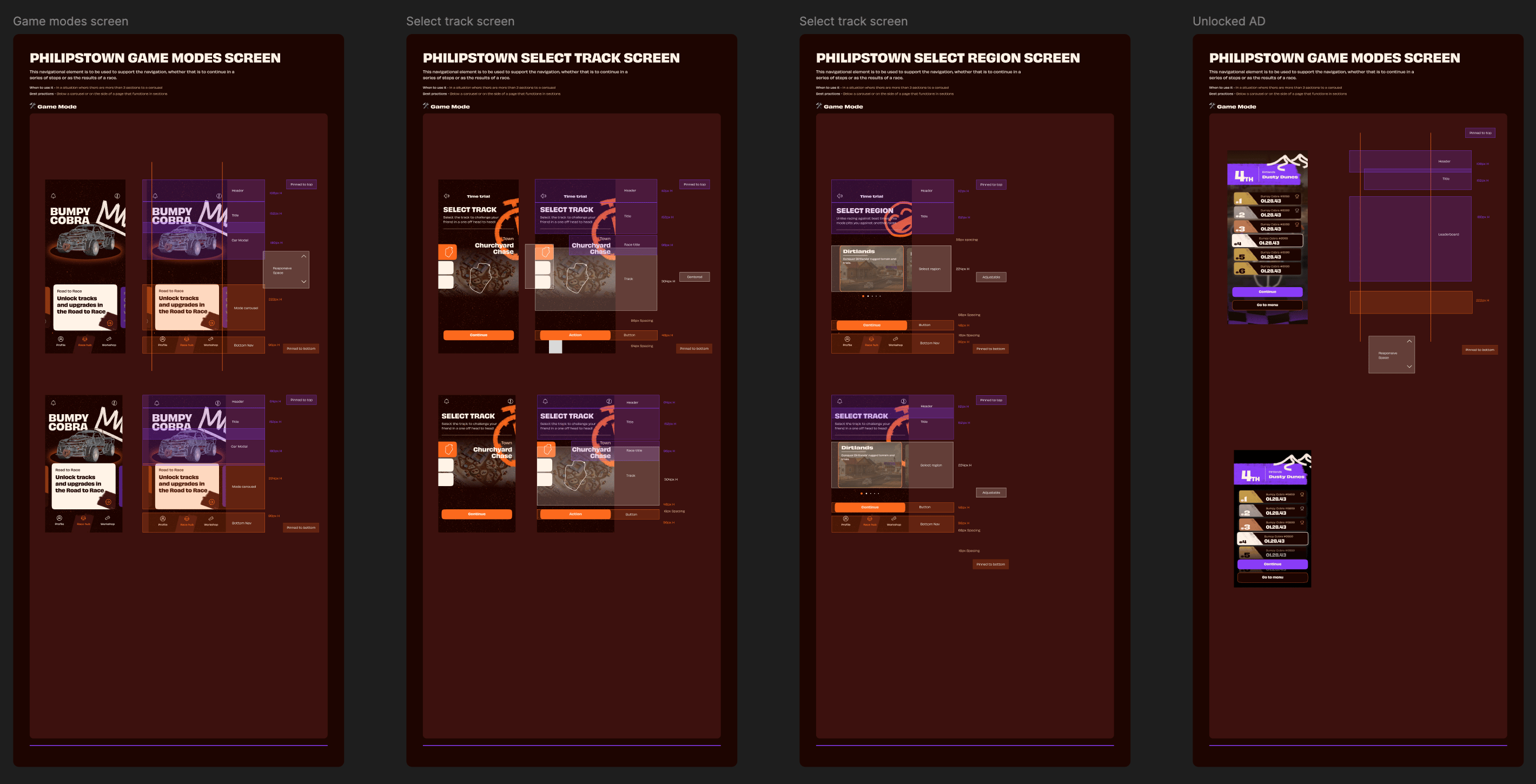
We designed modular UI, flexible visual components, and clear interaction patterns that could scale across game modes while staying cohesive.
Moment 4: Building together, sprint by sprint

The game was broken down into feature epics, with tight two-week sprint cycles. Design, 3D, engineering, and delivery worked in close collaboration. Handing over, reviewing, adjusting, and iterating continuously.

​

This wasn’t a linear process or a clean “design then build” flow; it was highly collaborative and responsive, with constant trade-offs made to protect the core experience.

​

Regular critiques helped maintain quality and alignment as complexity increased.

davidphelan

Landing detail

Philipstown, a small town in South Africa, faces the challenges of limited resources and economic opportunity. To help in changing this, we transformed a much-loved local annual event into a mobile game that anyone, anywhere, could experience, bringing together technology and creativity to share Philipstown’s authentic story and drive donations back to the community.

​

Year: 2025

Role: Design Lead - I guided the game development from concept to execution, leading a design team, aligning 3D, dev, and South African teams, ensuring community involvement, maintaining quality through critiques, and balancing creativity with constraints to deliver an authentic, engaging experience.

line

Introduction

​

Philipstown was a unique project: designing a completely novel mobile game rooted in a real community, with real people, and real impact. It wasn’t an adaptation of an existing format or a reskin of known mechanics — we had to invent the structure, language, and experience from the ground up, under tight constraints and with a strong sense of responsibility to the people it represented.

Moment 1: Concepting a game that didn’t exist yet

​

The early phase was intense, messy, and energising. Hours were spent banging heads, challenging assumptions, and pressure-testing ideas with SMEs across design, engineering, and delivery. We had to define the type of game before we could design anything at all. Key decisions included committing to portrait orientation to keep the experience hyper-casual and accessible, and structuring the game around three core modes: Quick Play, Campaign (Road to Race), and Grand Prix. This structure gave us flexibility, immediate engagement for casual players, progression for return players, and a clear sense of ambition and payoff.

Moment 2: Ground truth in Philipstown

To avoid designing from a distance, part of the team travelled to Philipstown to do the work properly. We ran interviews with local children, spent time listening and observing, and used drawing sessions and workshops to co-create the visual language of the game. The brand identity, tone, and expression were shaped directly by the community.

​

Alongside this, we captured drone footage and photography, mapping the different tracks.

​

All of this was synthesised back into the product thinking, sharpening our point of view and raising the bar on authenticity.

Moment 3: From vision to system

With a clear creative vision, we moved into building a brand identity and design system that could do two things at once: honour the character of Philipstown and allow us to move fast. Resources were limited and timelines tight, so the system had to support rapid prototyping without collapsing under its own weight.

​

We designed modular UI, flexible visual components, and clear interaction patterns that could scale across game modes while staying cohesive.

Moment 4: Building together, sprint by sprint

The game was broken down into feature epics, with tight two-week sprint cycles. Design, 3D, engineering, and delivery worked in close collaboration. Handing over, reviewing, adjusting, and iterating continuously.

​

This wasn’t a linear process or a clean “design then build” flow; it was highly collaborative and responsive, with constant trade-offs made to protect the core experience.

​

Regular critiques helped maintain quality and alignment as complexity increased.

davidphelan