Landing detail

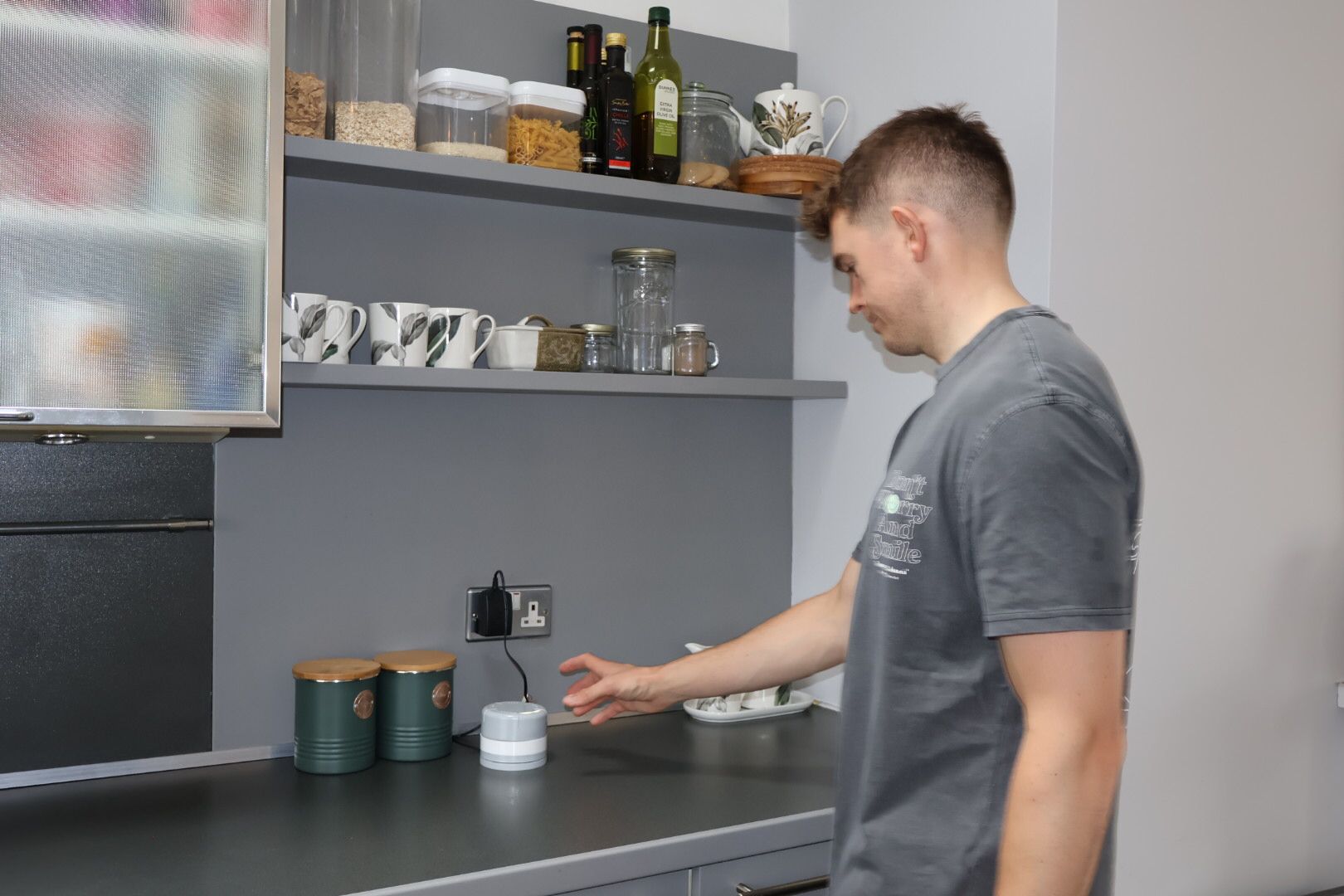
Aura is a self-companion designed to intervene in moments of emotional vulnerability, offering reassurance and grounding rather than instruction or judgement.

​

Many habits operate beneath conscious awareness. Snacking, in particular, is often driven less by hunger and more by routine, emotion, or environment, small, automatic actions that are difficult to interrupt once they begin. These moments can lead to frustration, guilt, and a sense of lost control, especially when existing tools rely on screens, metrics, or delayed feedback.

Aura explores whether a calm, physical presence can help interrupt these moments as they happen.

​

Year: 2021

Role: Design Lead

line

Context

​

Aura was a three-month concept project I worked on during my master’s.

​

I’ve always been curious about why habits are so hard to break, and how behaviour change often fails not because of lack of information, but because of timing, emotion, and context. At the same time, I wanted to push myself beyond screen-based design and experimenting with physical products, learning the main aspects of physical computing, and understanding how form, sound, and interaction shape behaviour.

My project hero

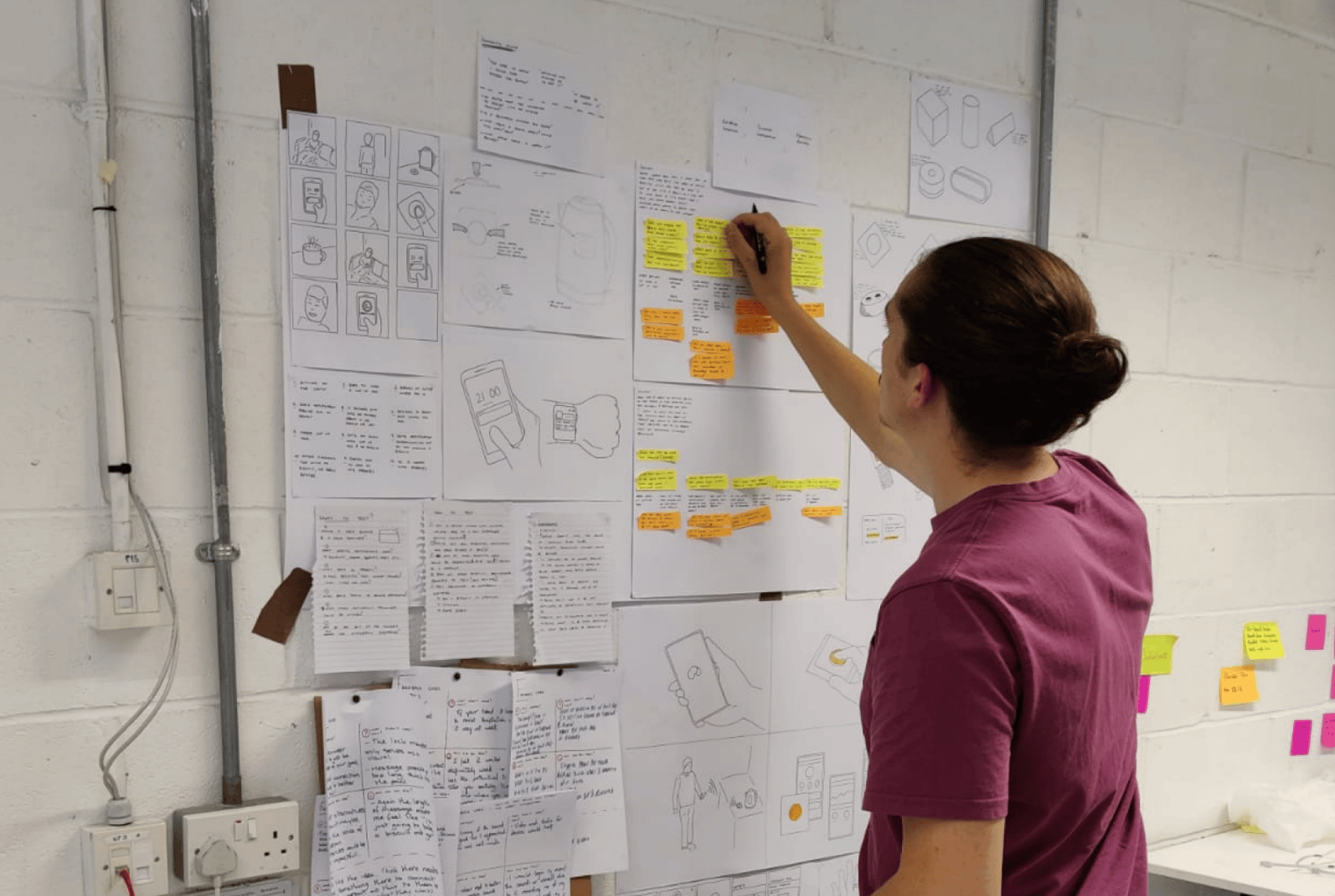
I began by mapping common habit loops, emotional triggers, and existing interventions, from diet apps to voice assistants and wellbeing tools. Much of this work focused on identifying when interventions typically occur, and where they fall short.

​

Alongside this, I also explored product form factors, benchmarks of existing devices, and early voice-interaction models, using sketching and system mapping to connect behavioural insights with physical and interaction design decisions.

Interaction concept

Aura was designed to be calm and present, rather than demanding attention.
The Making of the functional prototype

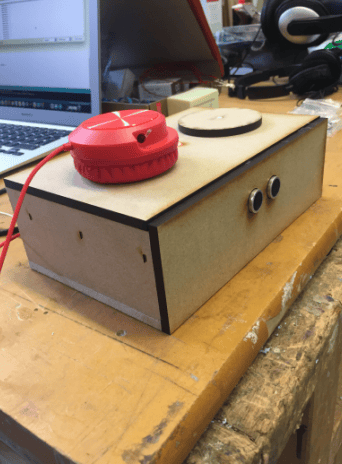
The functional prototype was built as a testing tool.

Rather than focusing on form, this version allowed me to explore the core interaction: how people select an emotional state, how the system responds, and whether a voice-based intervention felt helpful in the moment.

​

A physical dial was used to let users select one of five emotions: anger, sadness, boredom, stress, or anxiety. This interaction was intentionally simple, allowing participants to focus on how the response felt, rather than how the device worked.

​

Using a Bare Conductive board, I was able to quickly prototype and test different voice messages, tones, and pacing with people, and gather feedback on whether the interaction felt calming, reassuring, or supportive during moments of urge or distraction.

​

This phase helped define what needed to exist, and just as importantly, what didn’t.

Shaping the final product

​

The final form was developed in response to what came out from testing the functional prototype.

​

The object needed to feel calm, approachable, and easy to live with, something that could sit quietly in the environment and be picked up without hesitation. Scale, weight, and tactility became the primary concerns, shaping how the device is held, placed, and returned to its surface.

The resulting form is intentionally neutral and unobtrusive, allowing the interaction — rather than the object itself — to take focus.
aura

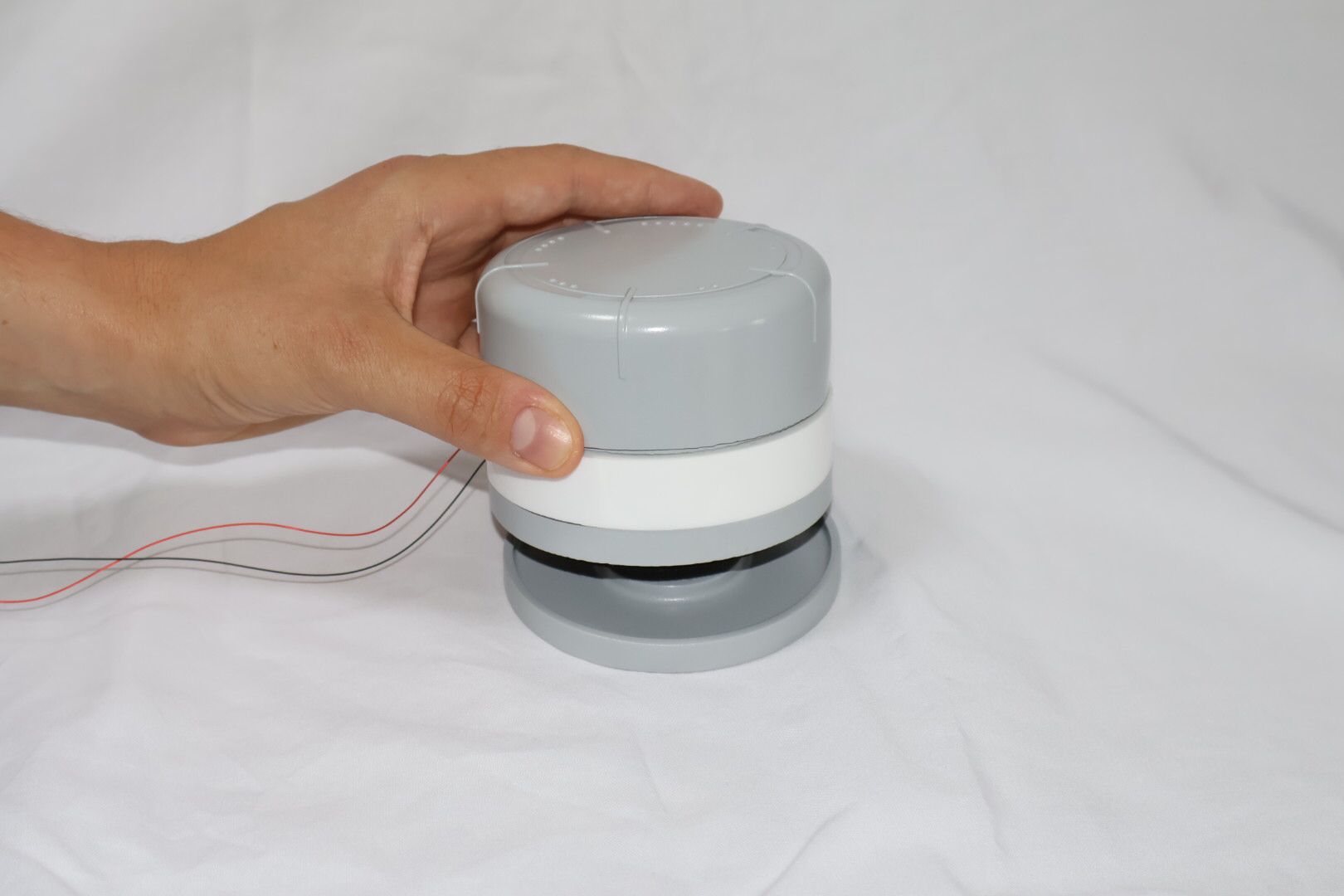
Aura uses three separate 3D-printed parts. The top section houses the LEDs and micro Arduino, while the middle section is made from semi-transparent acrylic to diffuse the ambient light and contain the speaker. The base is CNC-fabricated, providing weight and stability to support comfortable handling.

The resulting form is intentionally neutral and unobtrusive, allowing the interaction , rather than the object itself to take focus.

What I learned

Working with physical computing taught me a lot about making, not just designing.

​

It also reinforced my love for physical products. Designing something that lives in the environment, something you notice gently rather than interact with constantly.

davidphelan

Landing detail

Aura is a self-companion designed to intervene in moments of emotional vulnerability, offering reassurance and grounding rather than instruction or judgement.

​

Many habits operate beneath conscious awareness. Snacking, in particular, is often driven less by hunger and more by routine, emotion, or environment, small, automatic actions that are difficult to interrupt once they begin. These moments can lead to frustration, guilt, and a sense of lost control, especially when existing tools rely on screens, metrics, or delayed feedback.

Aura explores whether a calm, physical presence can help interrupt these moments as they happen.

​

Year: 2021

Role: Design Lead

line

Context

​

Aura was a three-month concept project I worked on during my master’s.

​

I’ve always been curious about why habits are so hard to break, and how behaviour change often fails not because of lack of information, but because of timing, emotion, and context. At the same time, I wanted to push myself beyond screen-based design and experimenting with physical products, learning the main aspects of physical computing, and understanding how form, sound, and interaction shape behaviour.

My project hero

I began by mapping common habit loops, emotional triggers, and existing interventions, from diet apps to voice assistants and wellbeing tools. Much of this work focused on identifying when interventions typically occur, and where they fall short.

​

Alongside this, I also explored product form factors, benchmarks of existing devices, and early voice-interaction models, using sketching and system mapping to connect behavioural insights with physical and interaction design decisions.

Interaction concept

Aura was designed to be calm and present,

rather than demanding attention.

The Making of the functional prototype

The functional prototype was built as a testing tool.

Rather than focusing on form, this version allowed me to explore the core interaction: how people select an emotional state, how the system responds, and whether a voice-based intervention felt helpful in the moment.

​

A physical dial was used to let users select one of five emotions: anger, sadness, boredom, stress, or anxiety. This interaction was intentionally simple, allowing participants to focus on how the response felt, rather than how the device worked.

​

Using a Bare Conductive board, I was able to quickly prototype and test different voice messages, tones, and pacing with people, and gather feedback on whether the interaction felt calming, reassuring, or supportive during moments of urge or distraction.

​

This phase helped define what needed to exist, and just as importantly, what didn’t.

Shaping the final product

​

The final form was developed in response to what came out from testing the functional prototype.

​

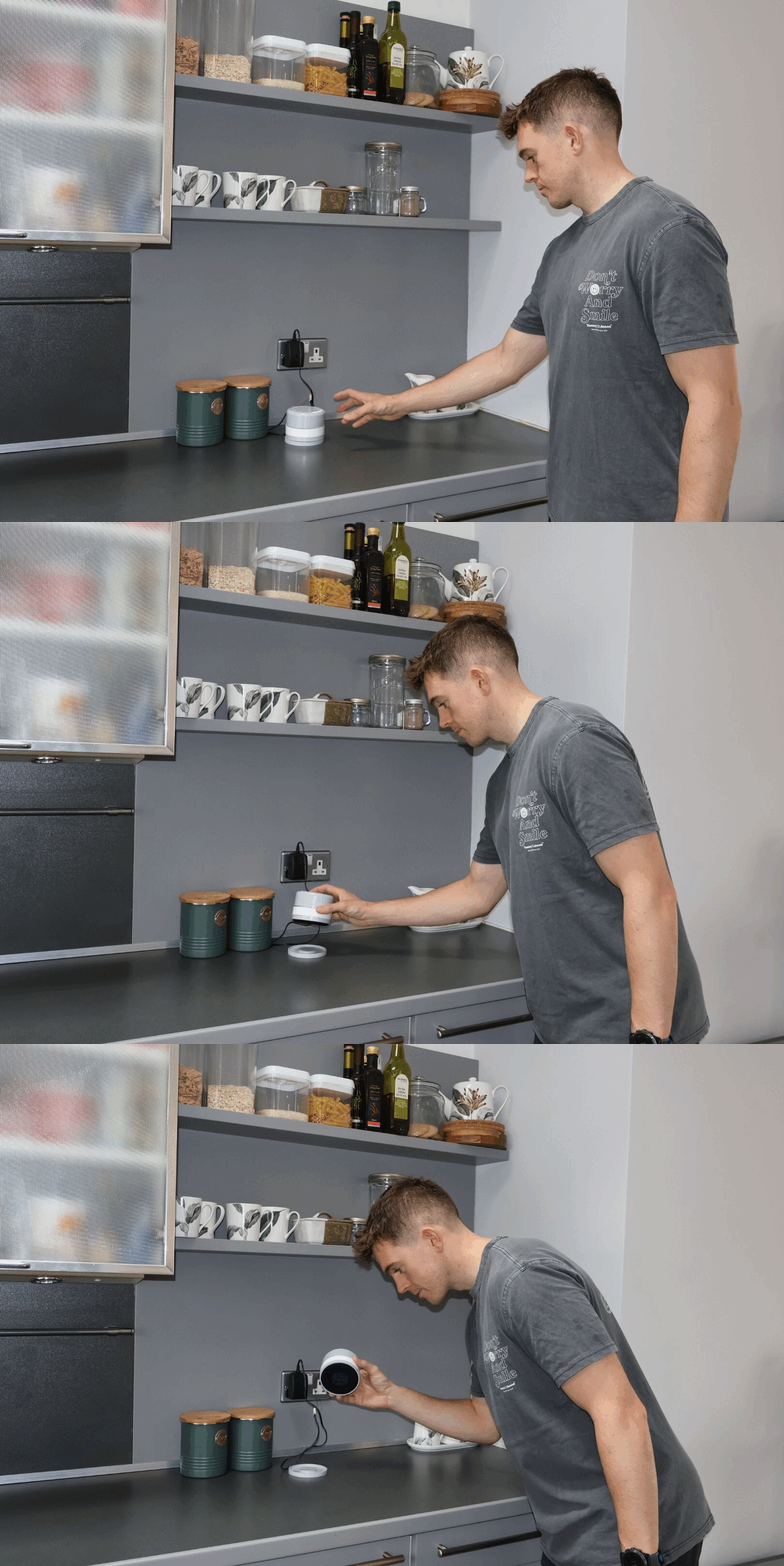
The object needed to feel calm, approachable, and easy to live with, something that could sit quietly in the environment and be picked up without hesitation. Scale, weight, and tactility became the primary concerns, shaping how the device is held, placed, and returned to its surface.

The resulting form is intentionally neutral and unobtrusive, allowing the interaction — rather than the object itself — to take focus.
images

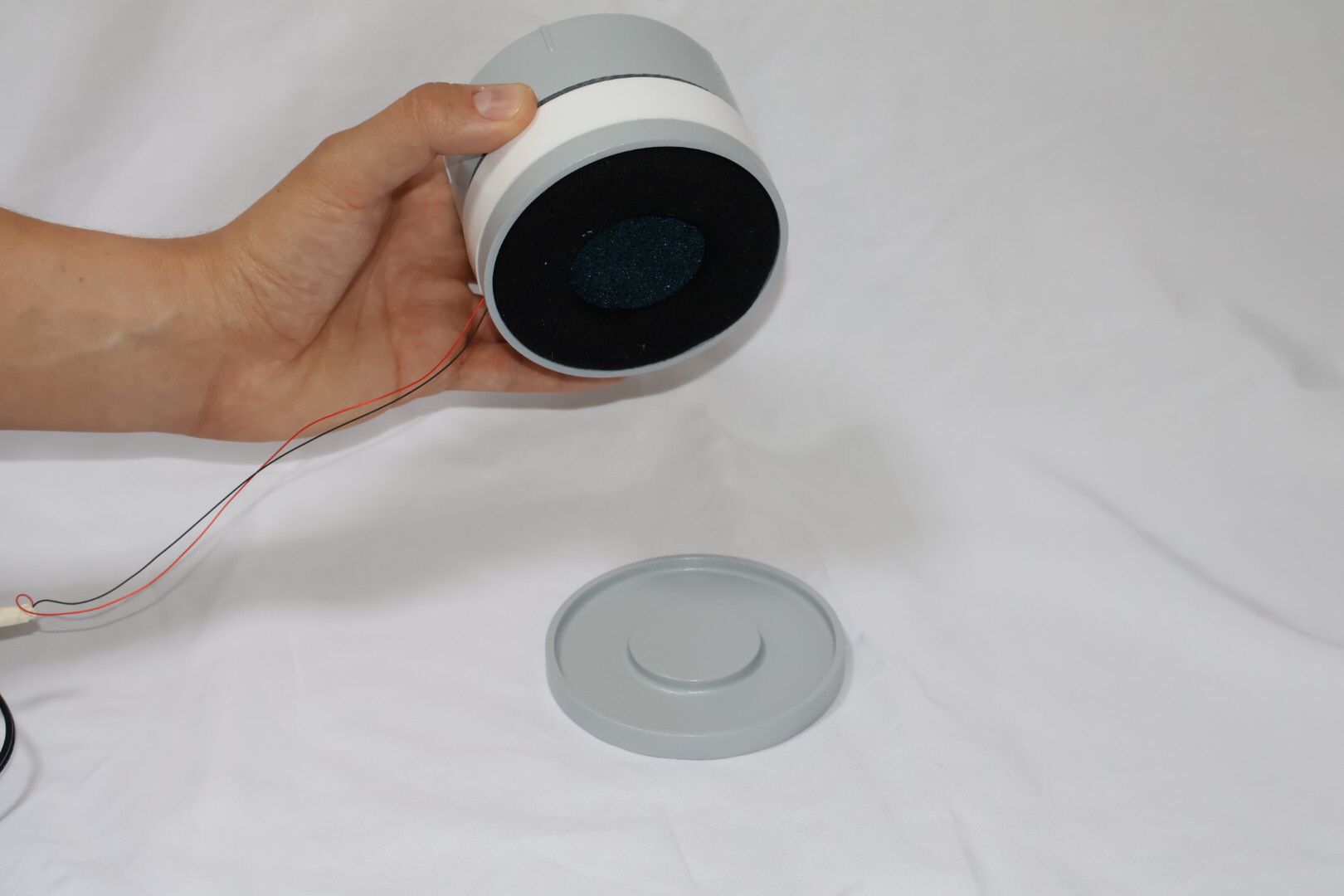
Aura uses three separate 3D-printed parts. The top section houses the LEDs and micro Arduino, while the middle section is made from semi-transparent acrylic to diffuse the ambient light and contain the speaker. The base is CNC-fabricated, providing weight and stability to support comfortable handling.

The resulting form is intentionally neutral and unobtrusive, allowing the interaction , rather than the object itself to take focus.
What I learned

Working with physical computing taught me a lot about making, not just designing.

​

It also reinforced my love for physical products. Designing something that lives in the environment, something you notice gently rather than interact with constantly.

davidphelan